Aug 24, 2026
NACS/J3400 Is Changing North American Charging: How Small Operators Can Avoid Buying the Wrong Connector Mix
In 2026, the connector question is no longer just CCS or NACS. Small operators need a transition plan that serves today's vehicles and tomorrow's.
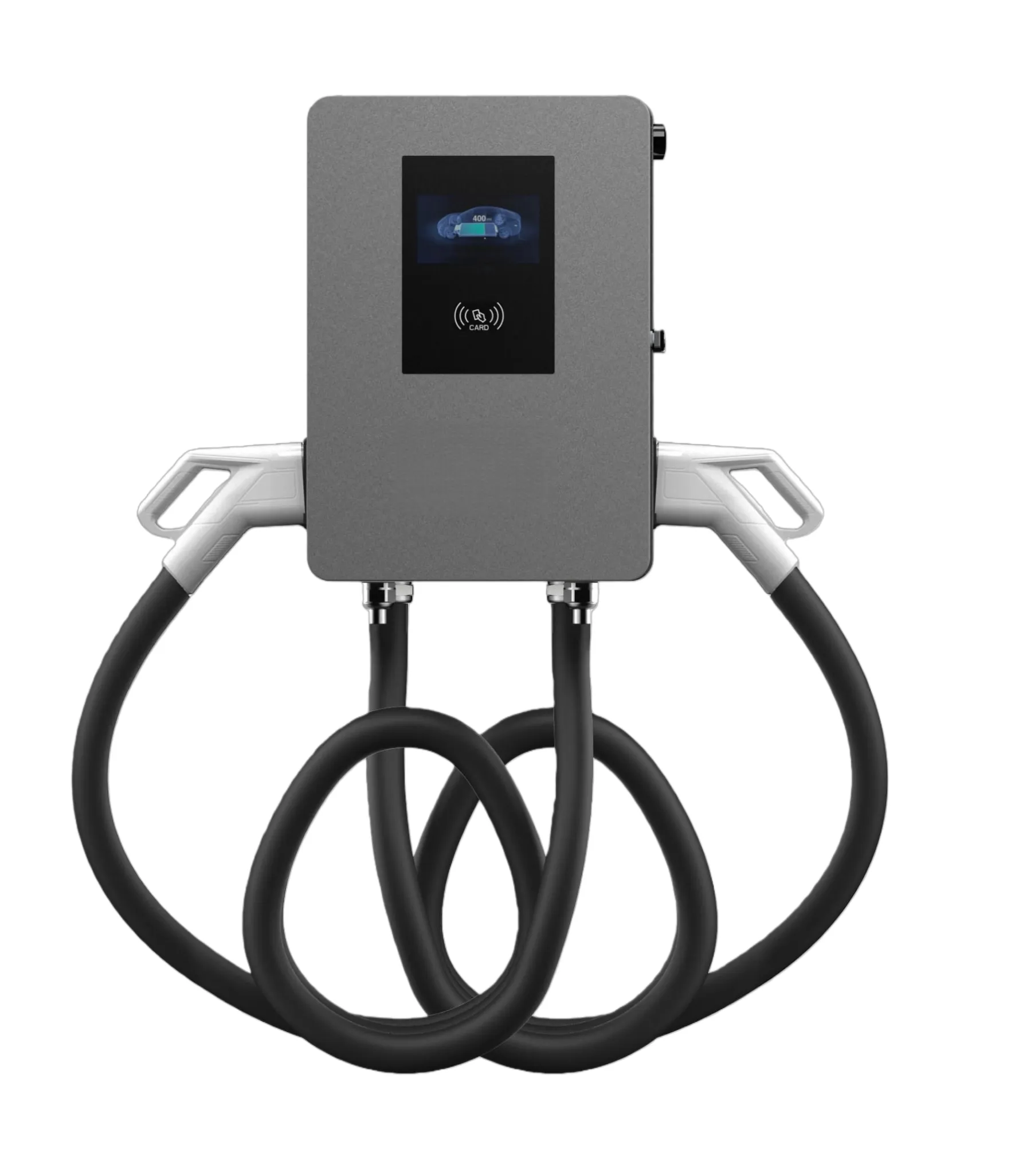
The Pain: A Charger Can Be Technically New and Strategically Outdated
Small charging operators often worry about power rating, price, and installation cost. But in North America, connector strategy has become just as important. A site that only supports yesterday's vehicle mix may lose traffic. A site that jumps too early without serving existing vehicles may frustrate drivers today.
The market is moving toward the North American Charging System, standardized as SAE J3400. Automakers have been shifting in that direction, and charging networks are testing or rolling out NACS/J3400 support while still serving CCS drivers. This creates a practical challenge for small operators: how do you buy equipment now without locking the site into the wrong connector mix?
For a large network, transition mistakes can be corrected across many locations. For a small operator, one wrong procurement decision can affect years of customer access.
The Problem Behind the Problem: Connector Transition Is Not Instant
J3400 is important because it gives the North American market a more unified charging direction. SAE's J3400 recommended practice covers the general requirements for the connector system, and related standards continue to define physical connector and inlet architecture. This helps manufacturers, vehicle makers, and infrastructure operators move toward interoperable hardware.
But market transition does not happen overnight. Many EVs on the road still use CCS. Some drivers will rely on adapters. Some networks are piloting NACS/J3400 at selected sites while keeping CCS coverage. Fleet customers may have mixed vehicle models for years. That means the best connector strategy for a small operator is usually not "choose one and ignore the other." It is to match connector support to local vehicle demand and the expected transition period.
A Better Approach: Plan the Connector Mix by Site Type
Small operators should consider different connector strategies for different sites:
For public DC fast charging:
Support for both CCS and NACS/J3400 may be important during the transition. Operators should review whether the charger can be configured with dual connector options, whether cable management supports both, and whether the backend can report connector availability clearly.
For hotels, apartments, workplaces, and destination AC charging:
The connector decision depends on the vehicle mix and dwell time. Some sites may prioritize J1772 support because many AC-charging vehicles can use adapters. Others may plan for J3400 AC support as new North American vehicles adopt the connector.
For fleets:
Connector planning should follow the fleet's actual vehicle purchase schedule. If the fleet is moving to native J3400 vehicles, the site should not overinvest in a connector mix that will become inconvenient. If the fleet is mixed, adapter policy and charger labeling matter.
What Small Operators Should Ask Before Buying Chargers
Before ordering equipment, ask:
- Which connector options are available for this charger model?
- Can the charger support CCS and NACS/J3400 on the same cabinet?
- Is the connector configuration field-upgradable or fixed at purchase?
- Does the backend show connector type, real-time status, and pricing clearly?
- Are replacement cables and connector parts available?
- Is the equipment designed for the target certification and market requirements?
- Will the connector mix still make sense in 2027 and 2028?
These questions are not just technical. They protect the operator's future customer base.
How Tiyzo Tech Helps
Tiyzo Tech can help North American operators discuss connector configuration for AC and DC charging projects, including CCS, NACS/J3400-oriented planning, and site-specific customization through partner factories. For small operators, we focus on practical compatibility, not only headline power.
Conclusion: Buy for the Transition, Not Just the Current Moment
NACS/J3400 is becoming a major direction for North American charging, but CCS vehicles will remain part of the market during the transition. A small operator should choose equipment that keeps the site useful through this period.
If you are planning a new charging site, do not treat connector choice as an afterthought. Build a connector roadmap around your local driver base, fleet plan, and expansion timeline.