Aug 24, 2026
97% Uptime Is Becoming the New Baseline: What Small EV Charging Operators Should Prepare For
Drivers do not remember your charger rating. They remember whether the charger worked when they arrived.
The Pain: One Failed Charging Session Can Cost More Than One Lost Sale
For a small EV charging operator, charger downtime is not just a technical problem. It is a trust problem. A driver who arrives with low battery and cannot start a session may avoid the location next time. If that driver posts a poor review, the damage can reach future customers who have never visited the site.
This is especially painful for small operators because every site carries the brand. A large network can sometimes absorb a weak location. A local operator cannot. If a two-port or four-port station has one connector offline, the customer experience changes immediately. Queue time increases, drivers leave, and the site host begins to question the investment.
The North American market is moving toward higher reliability expectations. Federal EV charging standards tied to public funding require strong availability, data reporting, payment access, and maintenance practices. Even if a private small operator is not using federal funding, drivers will compare every station against the better experiences they see elsewhere.
The Problem Behind the Problem: Uptime Is a System, Not a Spec Sheet
Many operators treat reliability as a hardware promise. In practice, uptime depends on the complete chain:
- Charger hardware and connector durability
- Payment terminal reliability
- Network connection and backend communication
- OCPP or platform compatibility
- Vehicle-to-charger interoperability
- Installation quality
- Surge protection and grounding
- Preventive maintenance
- Fast troubleshooting when a fault occurs
The ChargeX Consortium has focused on exactly these issues: payment and user interface problems, communication between EVs, chargers and cloud services, and hardware reliability. That matters because many charging failures do not come from one dramatic hardware breakdown. They come from small system mismatches that prevent a session from starting.
For a small operator, the dangerous failures are the invisible ones. A port may appear on a map but fail at payment. A charger may be powered but not communicating correctly. A connector may be physically available but derated or blocked by an error. Without monitoring and maintenance discipline, the operator may not know until customers complain.
A Better Approach: Design for Operations Before Opening Day
Small operators should treat the first site as an operations project, not only an installation project. Before launch, ask the supplier and network provider:
- How will faults be reported?
- Can the charger be remotely restarted or diagnosed?
- Which payment methods are supported?
- What happens if cellular signal is weak?
- Are spare parts available for connectors, screens, modules, and payment devices?
- Who handles firmware updates?
- How quickly can maintenance be dispatched?
For public or semi-public sites, operators should also plan clear signage, lighting, safe parking position, cable reach, and customer support instructions. Reliability is not only whether electricity flows. It is whether the driver can find the charger, park correctly, start the session, pay, and leave with confidence.
Practical Equipment Choices for Small Sites
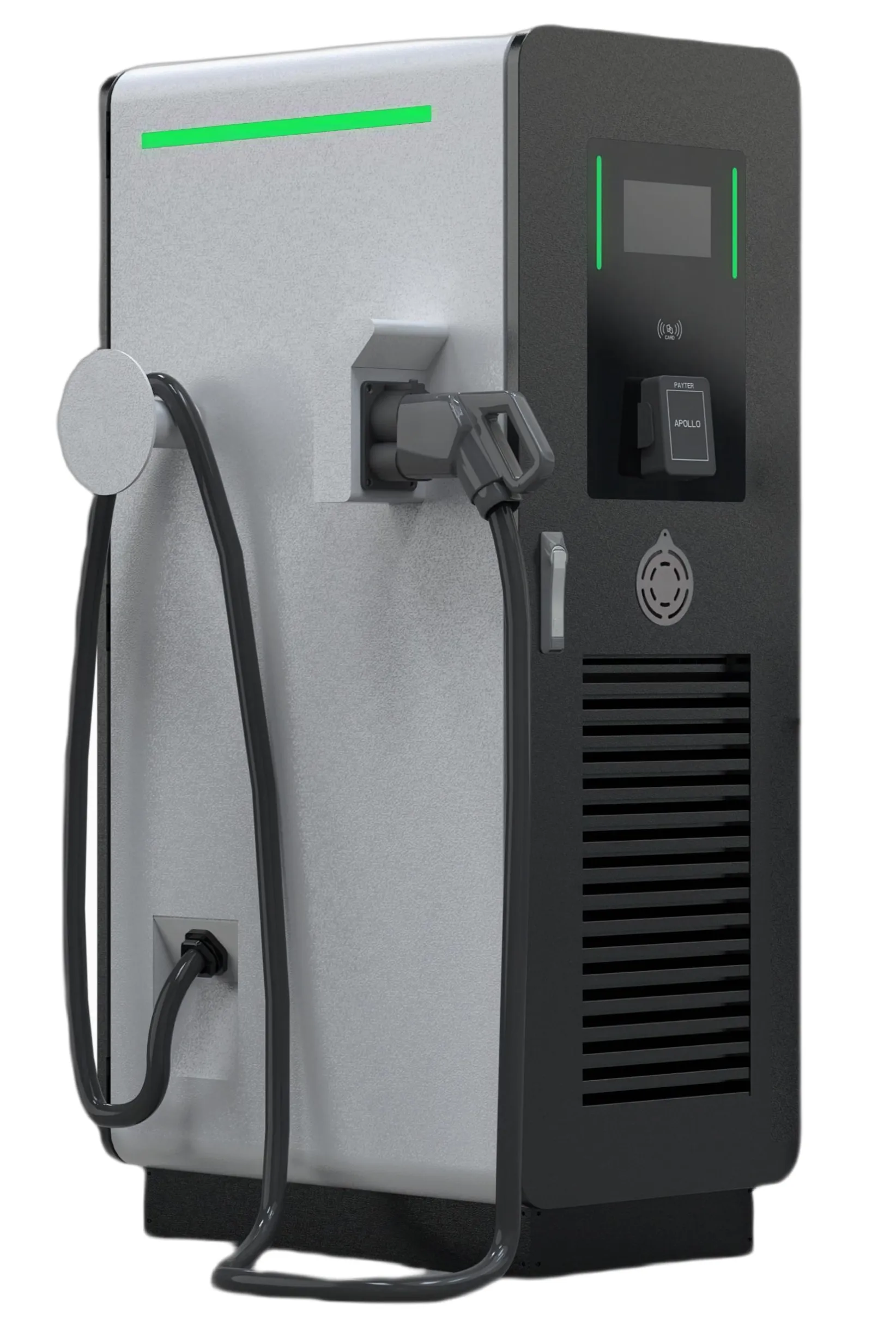
For AC sites, operators should prioritize stable communication, weather resistance, cable management, and easy wall-mounted or pedestal installation. For DC sites, operators should pay attention to modular power design, connector quality, cooling, remote diagnostics, and backend compatibility. A slightly lower-power charger with strong serviceability may create a better customer experience than a higher-power unit that is difficult to maintain.
If the site serves commercial users, parking lots, retail properties, or apartment communities, reliability should also include load management. A charger that can adjust output intelligently may help avoid power spikes while keeping more ports available.
How Tiyzo Tech Helps
Tiyzo Tech can help small operators compare AC chargers, compact DC chargers, and medium-power DC fast chargers for different site models. We can support OEM/ODM configuration, connector planning, enclosure options, branding, and project-specific technical discussion through partner factories.
Conclusion: Reliability Is the Real Marketing
A charging site earns repeat visits when it works consistently. Small operators should not wait until the first customer complaints to think about uptime. Choose equipment, backend, installation partners, and maintenance routines as one operating system.
If you are preparing a North American EV charging project, Tiyzo Tech can help you review charger type, power level, connector configuration, and reliability requirements before procurement.