Sep 10, 2026
Why EV Chargers Go Offline and What It Costs a Small Operator
A charger that's offline isn't just a broken unit — it's a stall that can't earn, a driver who can't charge, and a revenue hit you can't see coming. Here's how to keep your network connected.
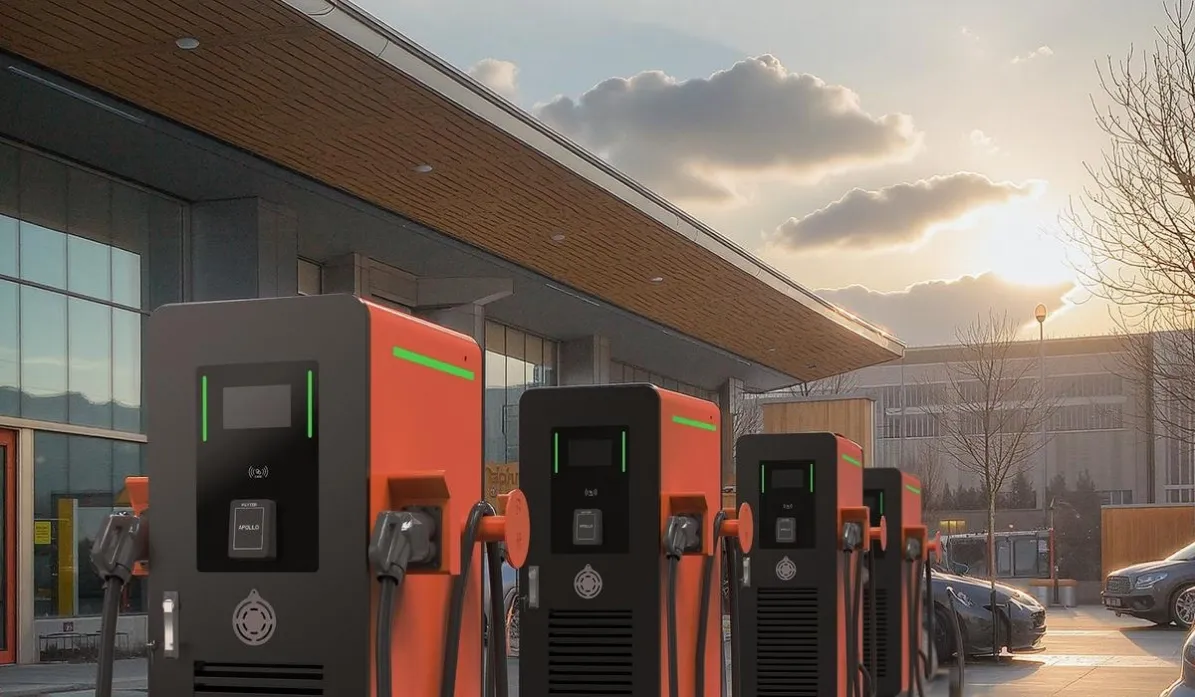
An offline charger is the quietest way to lose money in a charging business. It doesn't break, it doesn't alarm, it just stops being available — and a driver who pulls up to a dead stall doesn't call you, they drive to the next network. For a small operator, every unnecessary outage is a direct hit on utilization and on the reputation you can't afford to spend.
The Pain: Availability Is the Product
For a charging operator, you're not really selling electricity — you're selling the assurance that when a driver arrives, the charger works. A network that's 99% readable but drops one stall in an awkward spot is a network drivers learn not to trust. And unlike a gas station, you can't just park a reserve truck; a down charger is a down stall until someone walks to it.
The Problem Behind the Problem: Connectivity, Not Hardware
Here's the uncomfortable truth about most “charger offline” events: it's rarely a dead power module. Most of the time it's something quieter and more systemic — a network drop, a weak signal at the site, or a breaker tripping from a load spike. A hardware problem needs a truck roll; a connectivity problem often needs a network or configuration fix — or, better, a design that doesn't depend on a single fragile link.
How Tiyzo Helps
Reliability is a design discipline, not a claim. Tiyzo chargers run on an OCPP-based platform where status reporting, session handling, and connectivity monitoring are managed centrally — so when a unit loses contact, you're not the last to know. And because our AC units are built with sensible local independence, a temporary connection drop doesn't have to mean a stall that can't charge.
Conclusion
An offline charger is a revenue leak, and most of them trace back to connectivity and electrical design rather than a broken unit. The answer is a charger and platform that handle a network drop gracefully, plus a site designed so load spikes don't take stalls down. You can't promise 100% uptime — nobody can — but you can stop giving away sessions to problems you could have designed out.