Aug 24, 2026
Demand Charges Can Break a Small DC Fast Charging Site: How to Plan Around Power Cost
The most expensive part of a DC fast charging site may not be the charger itself. It may be the power peak the site creates.
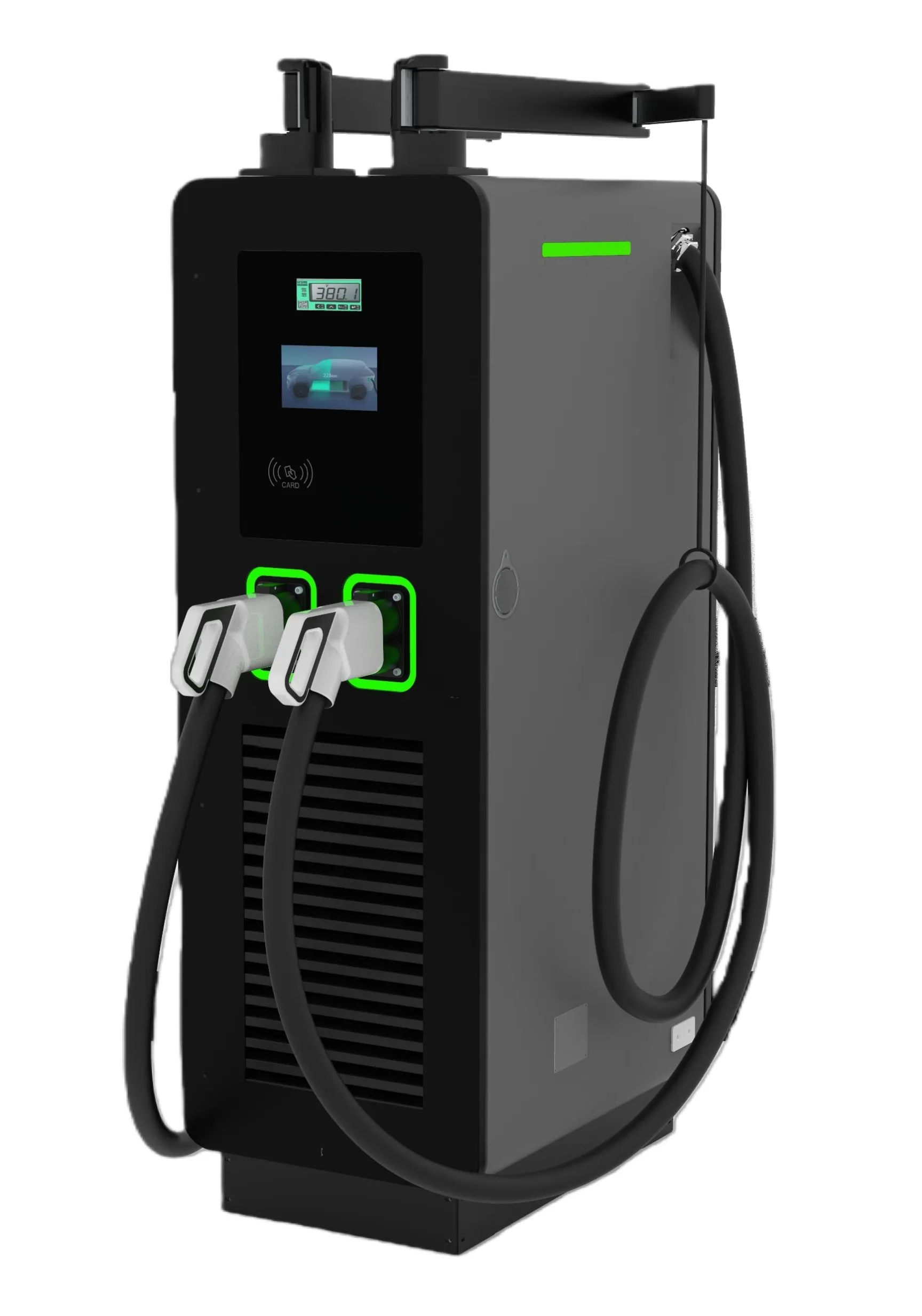
The Pain: A Few Fast Sessions Can Create a Large Monthly Cost
Small operators often compare DC charger prices by cabinet cost and rated output. But after installation, the monthly electricity bill can become the real pressure point. Demand charges are especially difficult for low-utilization DC fast charging sites because the operator may pay for the highest power draw even if total energy sales remain modest.
This creates a painful mismatch. A site might sell only a limited number of charging sessions in a month, yet still face a high cost because one or two peak events set the demand charge. For a small operator, that can turn a promising location into a slow financial drain.
This problem is not theoretical. Charging economics research has repeatedly identified low utilization, demand charges, capital costs, and utility tariffs as key factors in DC fast charging viability. In other words, a charger is not profitable just because it is fast. It has to be fast enough for the use case and affordable enough to operate.
The Problem Behind the Problem: Peak Power and Energy Sales Move Differently
Energy sales are measured in kilowatt-hours. Demand charges are often tied to peak kilowatts. A site can have a short peak event and still carry the cost impact across the billing period. This is why power planning matters so much for small locations.
For example, a 240 kW charger may sound more attractive than an 80 kW charger, but if the site has low early traffic, limited grid capacity, and no clear fast-charging anchor demand, the bigger system can create higher electrical infrastructure cost and greater monthly pressure. A phased plan may produce a healthier business.
The first goal is not always to deliver the maximum possible charging speed. The first goal is to deliver the right speed at a cost structure the site can survive.
A Better Approach: Use Phased Power Planning
Small operators should evaluate three deployment paths:
- AC-first or mixed AC/DC: Useful for hotels, apartments, workplaces, parking lots, and destinations where drivers stay longer. AC charging can create service value with lower infrastructure pressure.
- Medium-power DC: Compact 20 kW to 80 kW DC chargers can fit locations where drivers need faster charging than AC but the site cannot justify a high-power hub. This can work for local commercial parking, small fleets, dealerships, municipal sites, and service businesses.
- High-power DC with future expansion: For highway, fleet, or high-traffic retail locations, 120 kW and higher DC systems may be appropriate, but operators should plan utility coordination, transformer capacity, peak management, service access, and expansion space from the beginning.
Battery-buffered charging and smart charging can also be part of the discussion for grid-constrained sites. The Joint Office has highlighted battery energy storage and grid-constrained fast-charging resources as planning tools. These solutions may not fit every small project, but operators should understand them before assuming a large grid upgrade is the only path.
Questions to Ask Your Utility and Supplier
Before buying DC fast chargers, ask:
- What commercial tariff will apply to the site?
- Are there demand charges, time-of-use rates, or EV-specific rates?
- What is the existing electrical service capacity?
- What transformer or service upgrade is required?
- Can the charger support load management or power sharing?
- Can the site start smaller and expand later?
- Would battery buffering reduce peak demand or avoid upgrade delays?
These questions should be asked before finalizing charger power, not after the equipment is already purchased.
How Tiyzo Tech Helps
Tiyzo Tech can support AC chargers, compact DC chargers, medium-power DC chargers, high-power DC charging systems, and project-based customization through partner factories. For small operators, we can help compare power levels and deployment stages so the first purchase fits the business model.
Conclusion: Control the Peak Before It Controls Your Profit
Demand charges and grid costs can quietly decide whether a small charging site survives. Instead of buying the largest charger first, operators should match power level to site traffic, parking behavior, utility tariff, and expansion plan.
If you are planning a DC fast charging site, Tiyzo Tech can help you compare AC, medium-power DC, and high-power DC configurations for a more realistic first phase.